School Design & Student Safety
New York, 2022
Collaborative Research
This research project examines how the physical environment of schools influences students’ experiences of safety, belonging, and vulnerability, with a particular focus on bullying. Bullying remains a widespread issue in American schools, leaving many students with emotional and social challenges that can last well into adulthood. While most anti-bullying efforts have focused on student behavior and social dynamics, far less attention has been given to the role of the environment itself. This project approaches the problem through an ecological psychology lens, recognizing that school spaces are not neutral - they actively shape how students interact, move, and perceive one another.
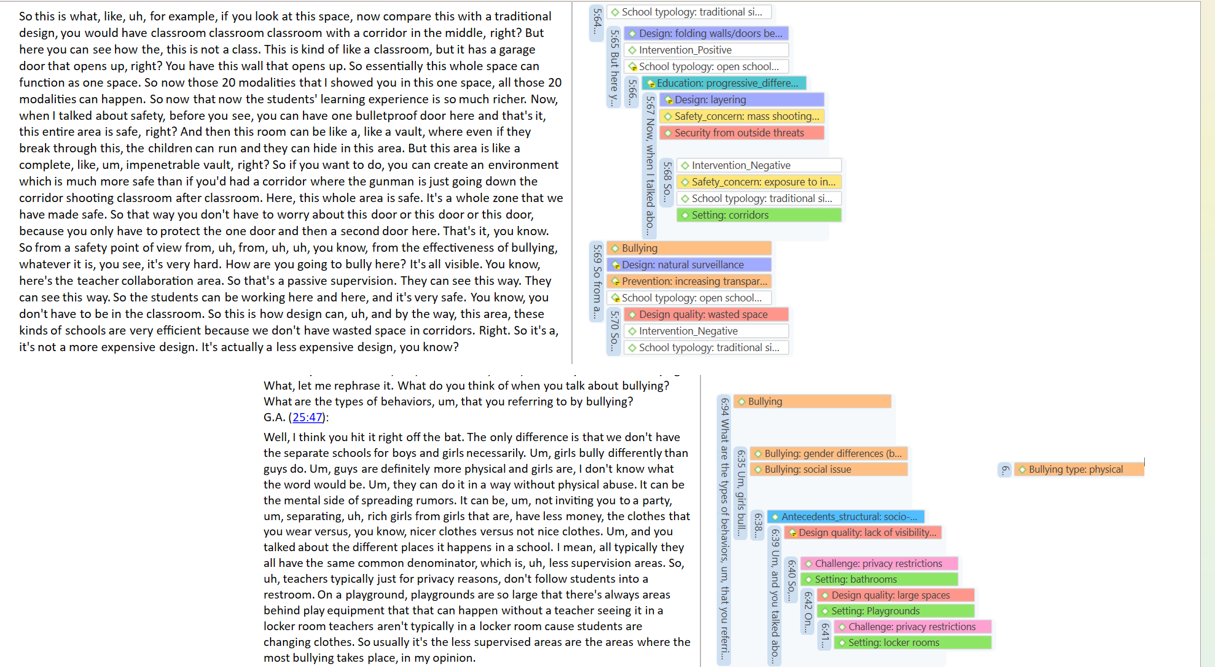
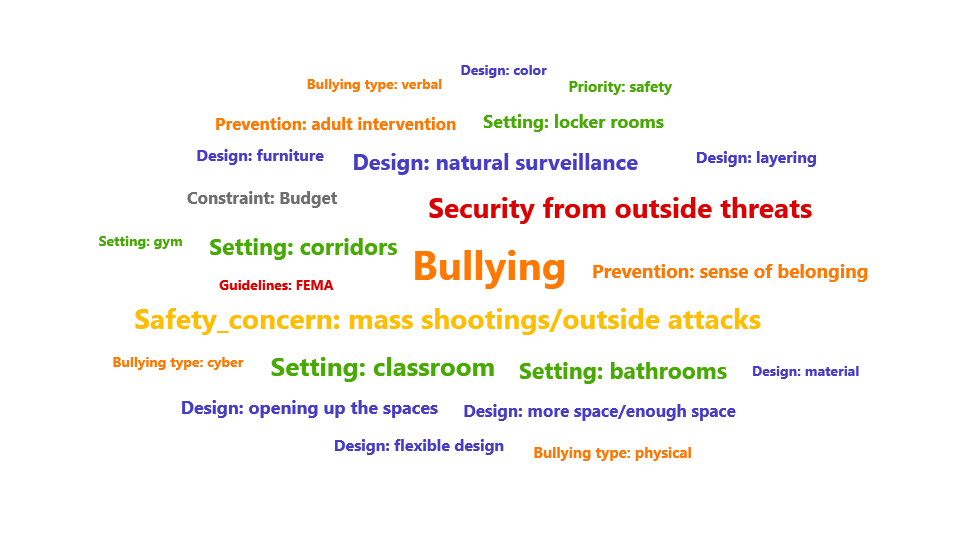
The study began with an extensive review of the research on school climate and bullying, followed by interviews with experienced school architects who regularly design K-12 educational environments. These architects served as key informants, offering insight into how spatial planning and design decisions can unintentionally create opportunities for bullying or, conversely, help reduce it. Through thematic analysis of these interviews, the project explores how visibility, circulation patterns, boundaries, gathering spaces, and transitional zones influence both the likelihood and severity of bullying incidents.
Many issues identified in schools stem from environments that were not designed with student behavior or emotional well-being in mind. Areas with limited oversight, congested hallways, or undefined spaces often become hotspots for bullying. This research highlights how thoughtful design -such as improving natural surveillance, clarifying spatial organization, and creating supportive and welcoming communal areas- can play a meaningful role in shaping a healthier school climate. Ultimately, the findings emphasize that planners, architects, designers, and environmental psychologists share a responsibility to consider how their design decisions affect student safety. More research is needed, but this study underscores an essential point: the built environment can either amplify the risks of bullying or help protect students from it.
-
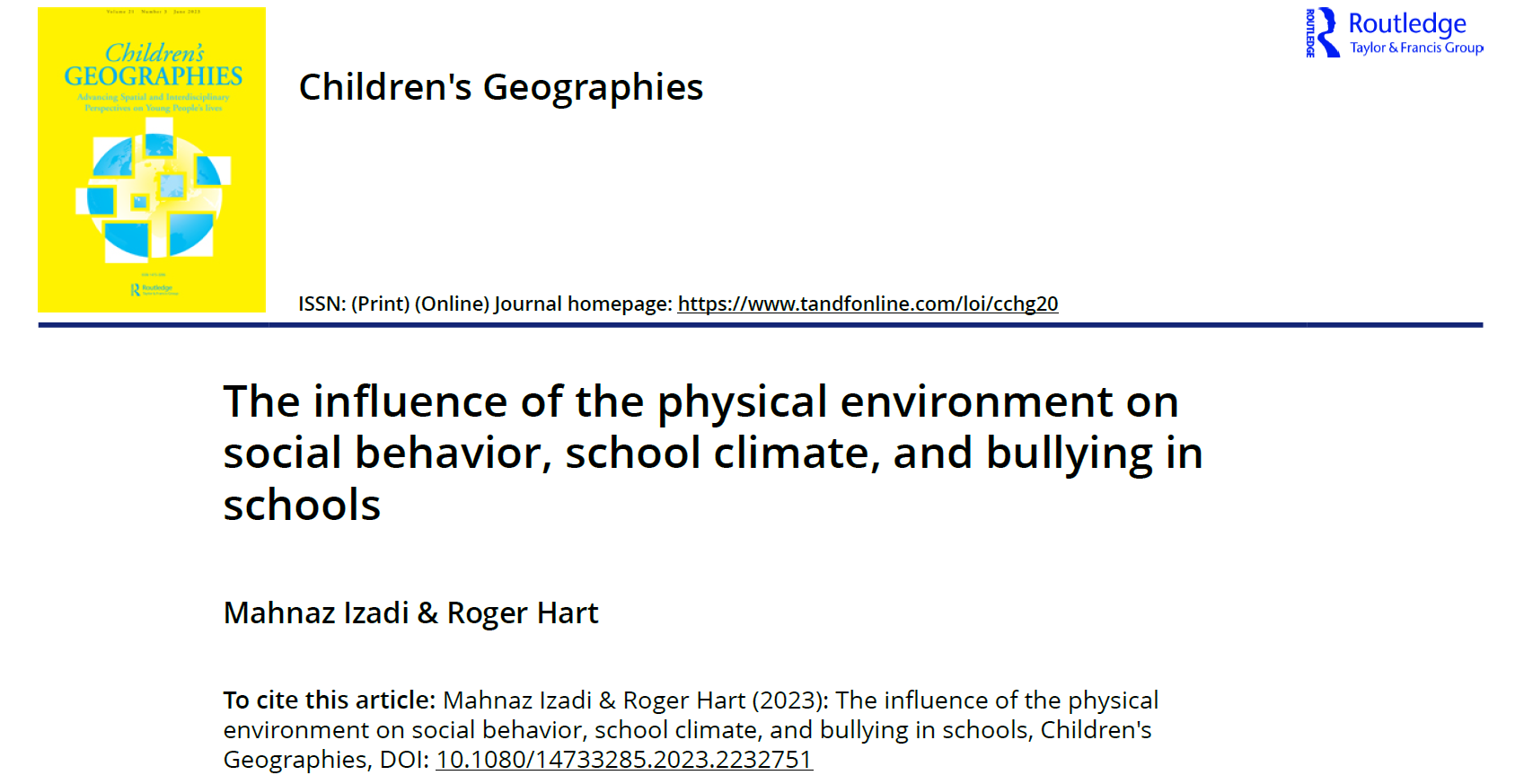
![Article snapshot]()
01
-
![Analysis process]()
02
-
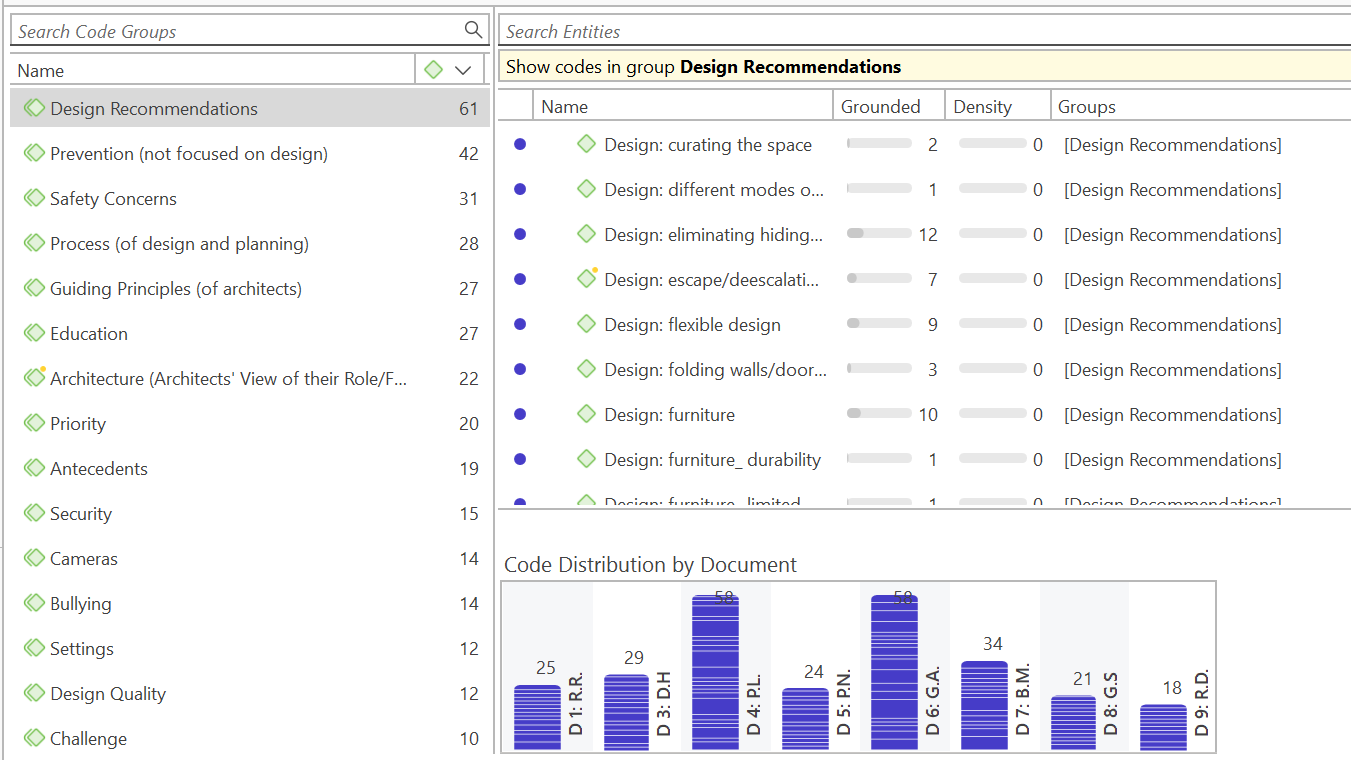
![Coding scheme]()
03
-
![]() Description goes here
Description goes here -
![]() Description goes here
Description goes here